Chinese History Museum: A Window into Sarawak's Chinese Communities
August 10, 2025

I spent about an hour exploring the museum, fascinated by the dragon and lion-dance costumes and the detailed exhibits about different Chinese communities in Sarawak. The museum's location in a historic Chinese Court building near the Sarawak River made it easy to combine with other nearby attractions on Main Bazaar.
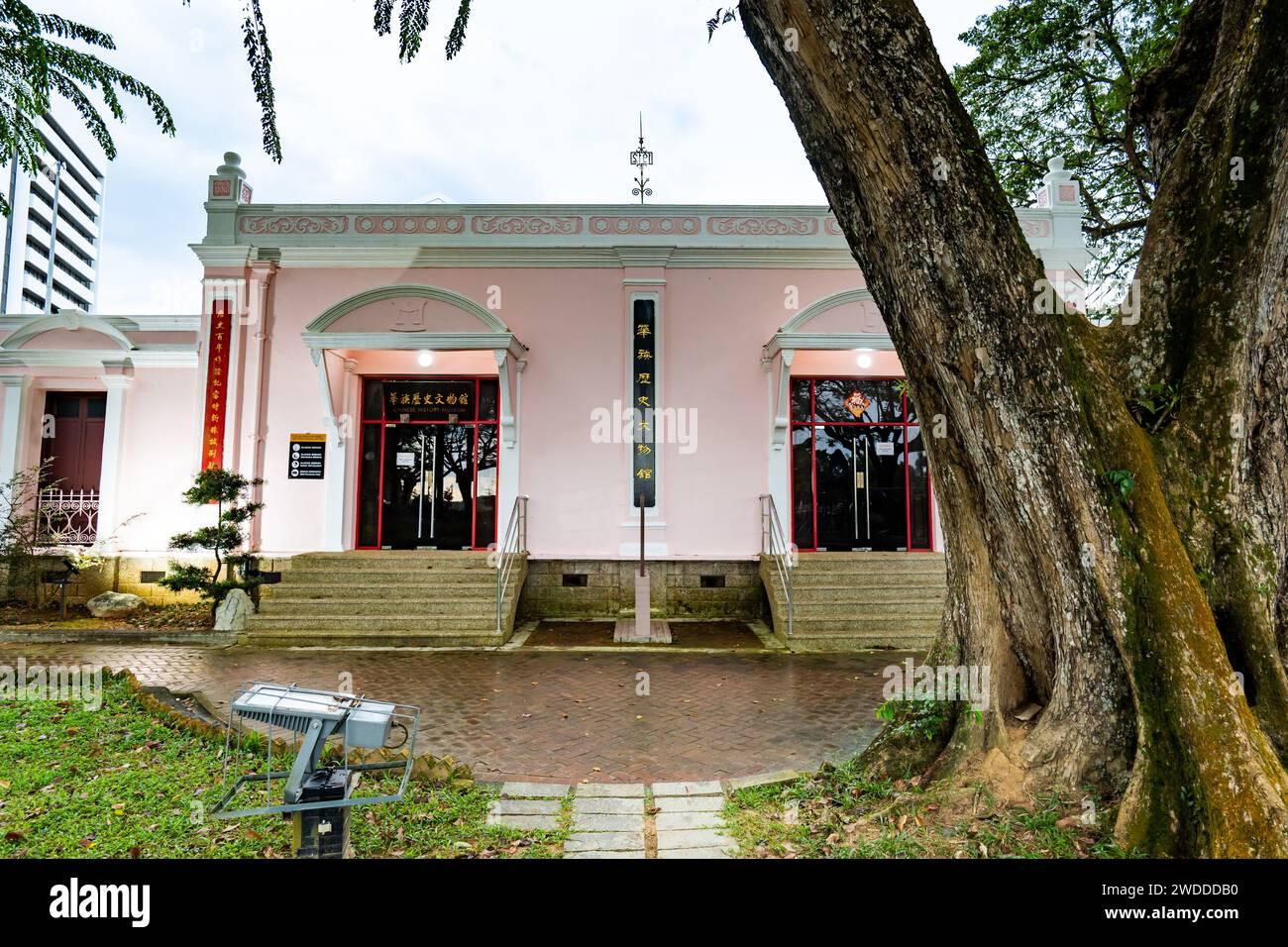
Tucked inside a century-old Chinese Court building, this museum reveals the untold stories of nine distinct Chinese communities who shaped Sarawak's cultural landscape. Uncover the hidden narratives of migration, tradition, and survival that transformed a regional community.
Need-to-Know Info Before Visiting Chinese History Museum



5+
images
Chinese History Museum Address
No. 22, Main Bazaar, 93000 Kuching, Sarawak, Malaysia
Chinese History Museum Opening Hours
- 🕒 Monday - Sunday: 9:00 AM - 4:30 PM
- 🕒 Closed on Public Holidays
- 🕒 Lunch Break: 12:30 PM - 1:30 PM
How to get to Chinese History Museum
- 🚗 By car: Park at nearby Main Bazaar street parking
- 🚌 Public transport: Grab taxi or local bus to Main Bazaar
- 🚕 Rideshare: Grab and local taxi services available
What is Chinese History Museum known for?
- Located in a historic century-old Chinese Court building
- Showcases heritage of nine major Chinese communities in Sarawak
- Exhibits include ceramics, musical instruments, and historic photographs
- Features authentic dragon and lion-dance costumes
- Provides detailed insights into Chinese settlement in Sarawak since 1830
What is Chinese History Museum in Kuching?
Tucked away in Kuching's historic Main Bazaar, the Chinese History Museum stands as a key destination for travelers wanting to understand Sarawak's multicultural roots. This compact museum occupies a century-old Chinese Court building, offering visitors a deep dive into the migration and settlement of nine distinct Chinese communities who shaped Sarawak's cultural landscape since 1830. Travelers typically spend about 45-60 minutes exploring the carefully curated exhibits that showcase intricate ceramics, vintage musical instruments, and compelling historic photographs. Photography enthusiasts will appreciate the museum's collection of authentic dragon and lion-dance costumes, which provide stunning visual narratives of cultural traditions. Located strategically near the Sarawak River, the museum attracts both international tourists and local history buffs eager to explore the nuanced stories of Chinese migration and community building in this part of Malaysia. While not a massive museum, its strategic location and rich content make it a strategic stop for travelers wanting to understand Kuching's complex cultural heritage beyond typical tourist experiences.
Top things to do at Chinese History Museum
- Explore the exhibit on nine distinct Chinese communities in Sarawak, each showcasing unique dialect, cultural practices, and migration history
- Examine the collection of authentic dragon and lion-dance costumes, understanding their cultural significance in Chinese festivals
- Study the historic ceramic collections that trace Chinese trading and artistic traditions in Southeast Asia
- View vintage musical instruments that represent different Chinese community traditions in Sarawak
- Check out the historic photography gallery documenting Chinese settlement and community development from 1830 onwards
- Learn about the architectural heritage of the century-old Chinese Court building itself, which houses the museum
Tickets and Entry
Entry to the Chinese History Museum is typically affordable for international travelers. Ticket prices are around 10 Malaysian Ringgit (approximately $2.20 USD) for adults, with discounted rates for students and seniors. Tickets can be purchased directly at the museum entrance. No online booking is required. The museum offers free entry for children under 12 years old.
History of Chinese History Museum
- 1830: First Chinese communities begin settling in Sarawak
- Late 1800s: Chinese Court building constructed
- Early 1900s: Building serves administrative purposes for local Chinese communities
- 2000: Building transformed into dedicated museum showcasing Chinese heritage
- 2010: Major renovation and exhibition update to modernize museum displays
Cultural Significance
The museum represents a critical narrative of Chinese migration and community formation in Sarawak. It highlights how nine distinct Chinese communities - each with unique dialects, cultural practices, and traditions - integrated into the broader Malaysian social fabric. The museum serves as a living document of cultural preservation and intercommunal understanding.
Tips for Visitors
- Allow 45-60 minutes for a comprehensive museum tour
- Photography is permitted without flash
- Wear comfortable walking shoes
- Bring water and stay hydrated
- Check museum website for potential temporary exhibition changes
- Consider joining a guided tour for deeper historical insights
What are some interesting facts about Chinese History Museum?
- The museum is housed in an actual century-old Chinese Court building, making the structure itself a historical artifact
- Local historians note that the museum represents nine different Chinese communities, each with unique dialects rarely heard outside their specific groups
- The dragon and lion-dance costumes displayed are authentic performance pieces, some dating back to early 20th-century community celebrations