Sarawak Museum: Borneo's Cultural Time Capsule
July 18, 2025

I spent nearly three hours exploring the fascinating exhibits, particularly captivated by the full-size Iban longhouse and the wildlife specimens collected by Alfred Russel Wallace. The museum provides an incredible window into Borneo's rich cultural and natural history, and it's conveniently located near Kuching's city center, making it easy to visit.
Step into a time machine of Bornean culture where indigenous artifacts tell stories untold anywhere else in the world. Discover how one museum captures the complex soul of Sarawak through breathtaking displays that bridge natural history and human experience.
Need-to-Know Info Before Visiting Sarawak Museum
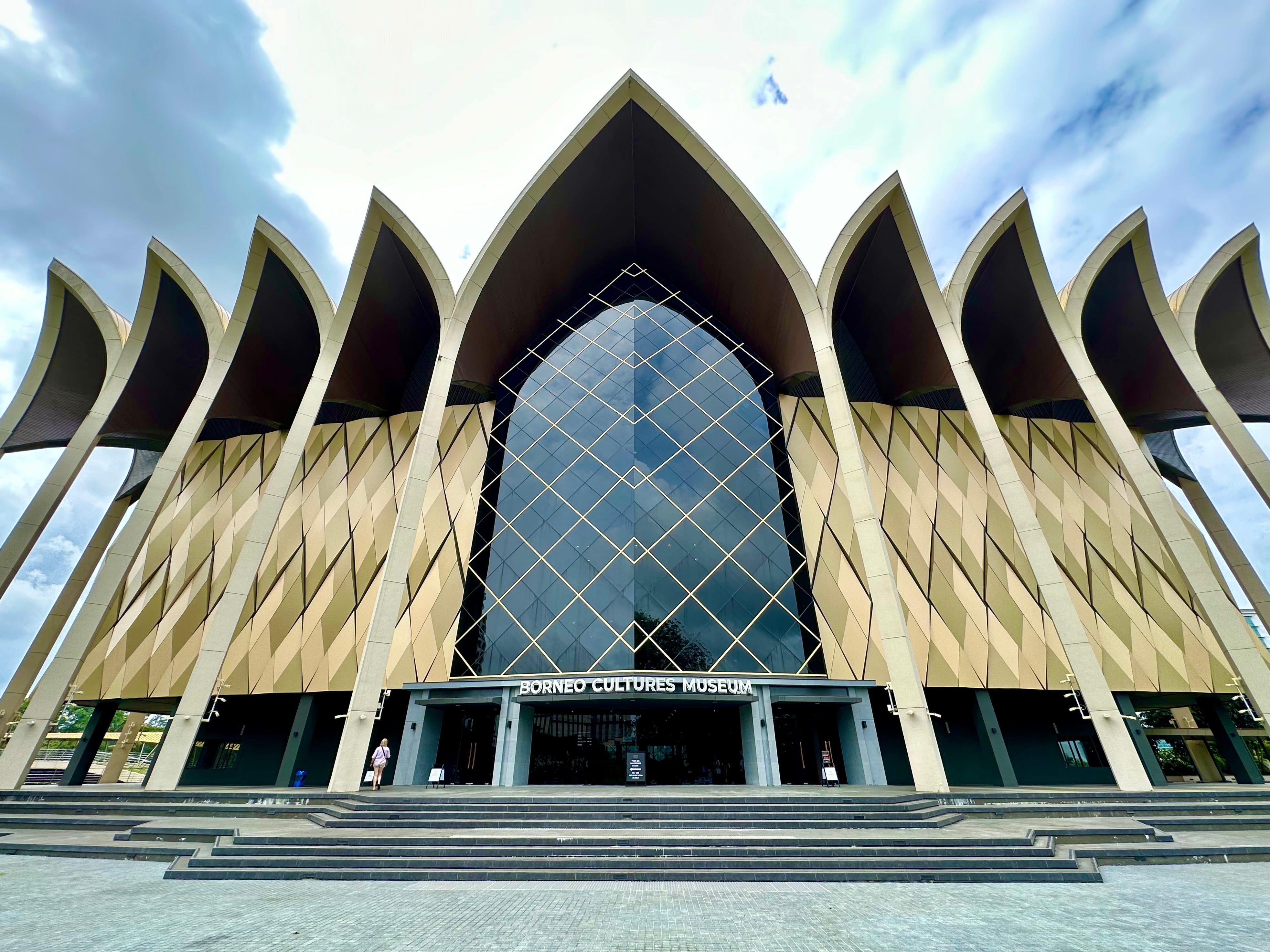
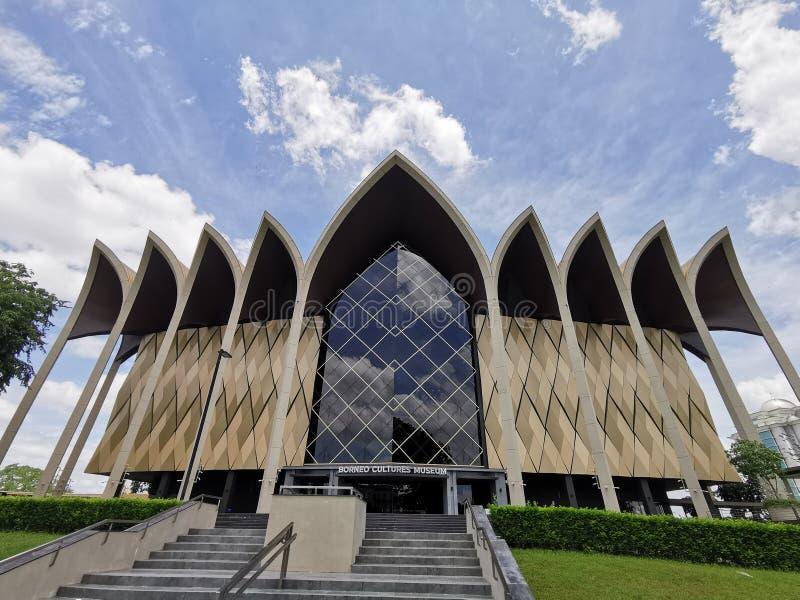
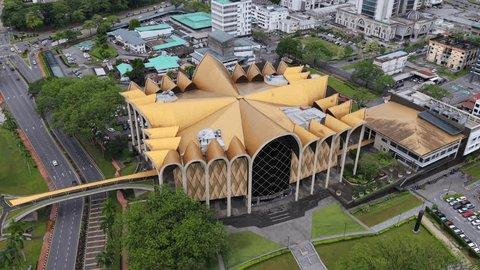
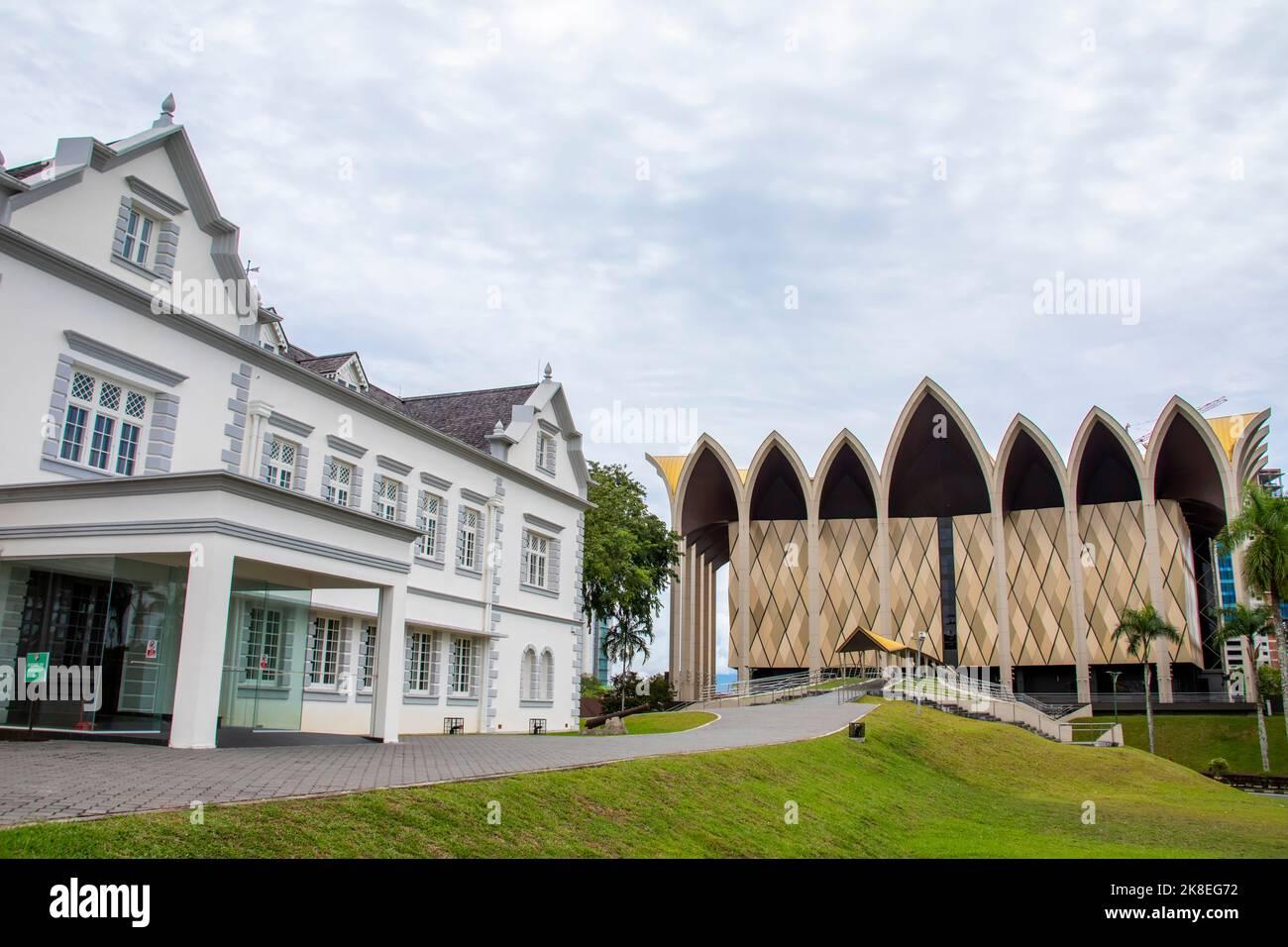
5+
images
Sarawak Museum Address
Jalan Tun Haji Openg, 93400 Kuching, Sarawak, Malaysia
Sarawak Museum Opening Hours
- 🕒 Tuesday-Sunday: 9 AM - 4:30 PM
- 🕒 Closed on Mondays
- 🕒 Public holidays may have different hours
How to get to Sarawak Museum
- 🚗 By car: Easily accessible from downtown Kuching
- 🚌 Public transport: Grab or local taxi recommended
- 🚕 Rideshare: Grab available throughout Kuching
What is Sarawak Museum known for?
- Oldest museum in Borneo, established in 1891 by Charles Brooke
- Extensive collection of indigenous Bornean cultural artifacts
- Full-size traditional Iban longhouse exhibit
- Significant natural history specimens collected by Alfred Russel Wallace
- Colonial-era architectural design with historic entrance cannons
What is Sarawak Museum in Kuching?
Tucked away in the heart of Kuching, the Sarawak Museum stands as a cultural treasure trove that connects travelers with Borneo's rich heritage. Established in 1891 by Charles Brooke, this landmark attracts history buffs, culture enthusiasts, and curious travelers looking to understand Sarawak's complex narrative. The museum isn't just another tourist stop-it's a deep dive into the indigenous cultures of Borneo, showcasing an extraordinary collection of artifacts, traditional crafts, and natural history specimens. Visitors can explore a full-size Iban longhouse, examine wildlife specimens collected by naturalist Alfred Russel Wallace, and get up close with two historic colonial cannons guarding the museum's entrance. Photography enthusiasts will appreciate the museum's authentic displays, which offer rare glimpses into Bornean tribal life and natural ecosystems. While not as crowded as some major international museums, Sarawak Museum draws steady crowds of international and local visitors seeking genuine cultural insights. The museum's collections span ethnographic exhibits, archaeological findings, and natural history displays, making it a comprehensive window into Sarawak's multifaceted identity.
Top things to do at Sarawak Museum
- Explore the full-size traditional Iban longhouse exhibit, offering an immersive look into indigenous Bornean living spaces
- Examine wildlife specimens collected by naturalist Alfred Russel Wallace, including rare Bornean animal and insect collections
- Study ethnographic displays showcasing intricate indigenous handicrafts and cultural artifacts from various Sarawak tribes
- Photograph the historic colonial entrance featuring two original cannons from the late 19th century
- Learn about Borneo's natural history through comprehensive displays of local flora and fauna
- Visit the archaeological section highlighting prehistoric artifacts and tools from Sarawak's earliest human settlements
History of Sarawak Museum
- 1850s: Alfred Russel Wallace collects wildlife specimens in Borneo
- 1891: Charles Brooke establishes the Sarawak Museum as a repository for indigenous artifacts and natural history specimens
- Early 1900s: Museum becomes a primary center for documenting Bornean indigenous cultures
- Mid-20th Century: Shifts focus to comprehensive ethnological displays about Sarawak's diverse tribal communities
- 2020: Underwent extensive conservation and restoration work
- Present Day: Continues to be the oldest and most significant museum in Borneo, preserving cultural and natural heritage
Cultural Significance
The Sarawak Museum represents more than a collection of artifacts-it's a critical institution preserving the complex cultural tapestry of Borneo. By showcasing indigenous handicrafts, traditional lifestyles, and natural history, the museum serves as a crucial educational platform connecting contemporary Malaysians with their rich ancestral heritage. Its exhibits tell the story of Sarawak's diverse ethnic groups, their traditions, and their relationship with the natural environment.
Tips for Visitors
- Allow at least 2-3 hours for a comprehensive museum experience
- Bring a light jacket as museum interiors can be cool
- Photography is permitted, but flash photography might be restricted
- Consider hiring a local guide for deeper cultural insights
- Wear comfortable walking shoes
- Bring water and stay hydrated during your visit
What are some interesting facts about Sarawak Museum?
- The museum houses wildlife specimens personally collected by Alfred Russel Wallace, a pioneering naturalist who developed theories of evolution alongside Charles Darwin
- Original colonial cannons at the museum's entrance were gifted by Charles Brooke, the White Rajah of Sarawak, who personally founded the museum in 1891
- The full-size Iban longhouse exhibit is constructed using traditional techniques, making it one of the most authentic ethnographic displays in Southeast Asia